



Employee Engagement , Employee Experience, Leadership & Management, Remote & Hybrid Culture / Workplace
Key Takeaways:
- Employee feedback: Regular surveys and focus groups help organizations understand employee needs and shape more relevant support strategies.
- Leadership commitment: When leaders model openness and prioritize well-being, they help create a culture of trust, engagement, and support.
- Manager training: Equipping managers to spot stress and start empathetic conversations strengthens day-to-day employee support.
- Work-life balance: Flexible work options, mental health days, and clear communication boundaries help employees recharge and stay productive.
- Accessible resources: EAPs, wellness tools, and coaching are more effective when they are easy to access and consistently communicated.
- Continuous improvement: Tracking participation, satisfaction, and engagement helps organizations refine support strategies over time.
Workplaces today face mounting challenges as employees navigate stress, burnout, and the complexities of modern life. Supporting mental well-being is not only a moral responsibility but also a business necessity. Organizations that prioritize mental health create environments where employees thrive, teams excel, and businesses achieve sustainable success.
Key Steps to Build a Culture of Mental Well-Being
- Leadership as the Foundation of Change
Strong leadership is the cornerstone of any mental health initiative. Leaders should model openness by sharing their own experiences with managing stress or seeking help. This level of vulnerability sets the tone for a culture where mental health conversations are normalized. Leadership policies should reflect this commitment, with resources such as employee assistance programs (EAPs), wellness workshops, and flexible work options integrated into everyday practices.
- Conducting a Cultural Assessment
Organizations need to understand where they currently stand to make meaningful changes. Anonymous employee surveys and focus groups can uncover whether employees feel safe discussing mental health, if they are aware of available resources, and where gaps may exist. These insights ensure that mental health initiatives are relevant and impactful.
- Training Managers to Support Employees
Managers are the frontline of employee engagement and support. Training programs should equip them to identify signs of stress, initiate empathetic conversations, and direct employees to appropriate resources. For example, a manager noticing a drop in an employee’s productivity could offer a private conversation to explore potential challenges and solutions.
Integrating Mental Well-Being into Everyday Practices

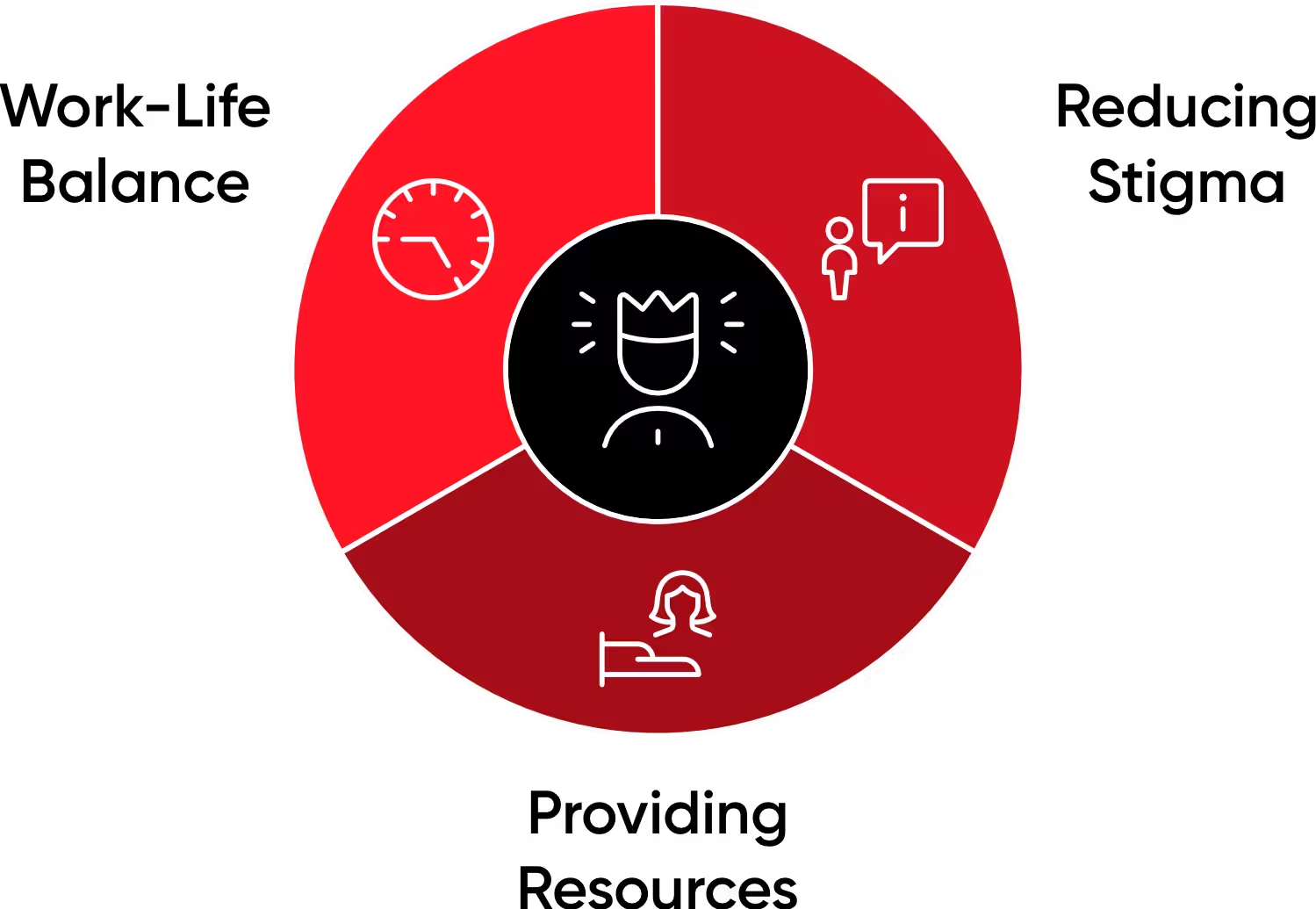
- Reducing Stigma Around Mental Health
To break down barriers, organizations must integrate mental health discussions into their culture. Regular team check-ins, company-wide awareness campaigns, and educational workshops can demystify mental health topics and foster understanding.
- Providing Accessible Resources
Accessible resources ensure employees have practical tools to manage their well-being. Organizations can offer confidential counseling through EAPs, digital wellness tools like meditation apps, and in-person or virtual wellness coaching. Ensuring these resources are widely communicated helps employees feel supported.
- Promoting Work-Life Balance
Flexibility is a key driver of mental well-being. Remote work options, designated mental health days, and a clear boundary for after-hours communication allow employees to recharge and perform at their best. These practices demonstrate that the organization values employees’ well-being as much as their productivity.
Sustaining Mental Health Initiatives
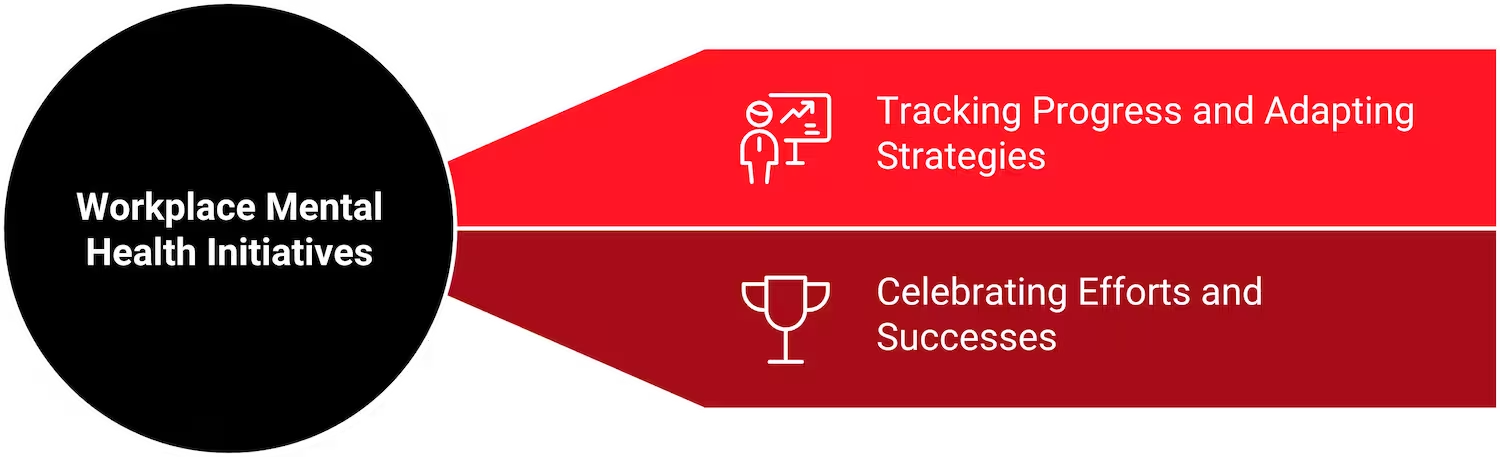
- Tracking Progress and Adapting Strategies
Ongoing evaluation is crucial to ensure mental health initiatives meet their goals. Regularly measuring participation rates, employee satisfaction, and engagement scores provides actionable data. Adjusting programs based on this feedback ensures they remain relevant and effective.
- Celebrating Efforts and Successes
Recognizing individuals and teams who contribute to mental well-being initiatives fosters a culture of positivity. Sharing success stories, whether through internal communications or public platforms, reinforces the importance of mental health in the workplace.
By prioritizing mental well-being, organizations not only support their employees but also build a resilient, high-performing workplace culture. Take these steps today to create a supportive environment that benefits everyone.Tools & Resources
- Company Culture: Building a mentally healthy workplace begins with a strong company culture that supports open dialogue and prioritizes well-being. Learn how to create an environment where employees feel safe, supported, and empowered to manage their mental health.
- Employee Engagement: Engaged employees are more likely to thrive in a mentally supportive environment. Explore strategies to boost employee engagement through transparent communication, accessible resources, and ongoing mental health initiatives.
- Leadership & Development: Strong leadership is essential in fostering a culture of mental well-being. Discover resources to train leaders in recognizing mental health challenges, promoting a supportive environment, and encouraging vulnerability and openness around mental health.
- Employee Well-being: A comprehensive approach to employee well-being integrates mental health as a core value. Access tools that help create a balanced work environment, from wellness programs to flexible work options, ensuring employees’ physical and mental health are both prioritized.
Feedback
We value your feedback! Your insights are essential in helping us improve and create meaningful content. Did the strategies in this article inspire new ideas for prioritizing mental well-being in your workplace? Are there specific challenges you'd like us to address? Share your suggestions or experiences with us. Together, we can continue to provide resources that help build mentally healthy and thriving work environments. Have feedback? Fill out this form by clicking here.
Get Certified 
Want to know how your employees feel about the mental health support in your organization? Get Certified today and learn the answer to this question and gain many more insights along the way.
Frequently Asked Questions:
How can employee feedback improve remote work culture?
Employee feedback gives leaders a clearer view of what employees need, where support gaps exist, and which changes will strengthen trust, engagement, and overall well-being in a remote environment.
What role does leadership play in building a supportive work culture?
Leadership sets the tone by showing openness, supporting well-being through policies and resources, and making mental health conversations feel normal and safe across the organization.
Why is manager training important for employee engagement?
Managers are often the first to notice when someone is struggling, so training helps them respond with empathy, start helpful conversations, and connect employees with the right support.
What practical steps help maintain engagement in remote or flexible work settings?
Flexible work options, mental health days, regular check-ins, accessible support tools, and clear boundaries around after-hours communication all help employees feel supported and stay engaged.