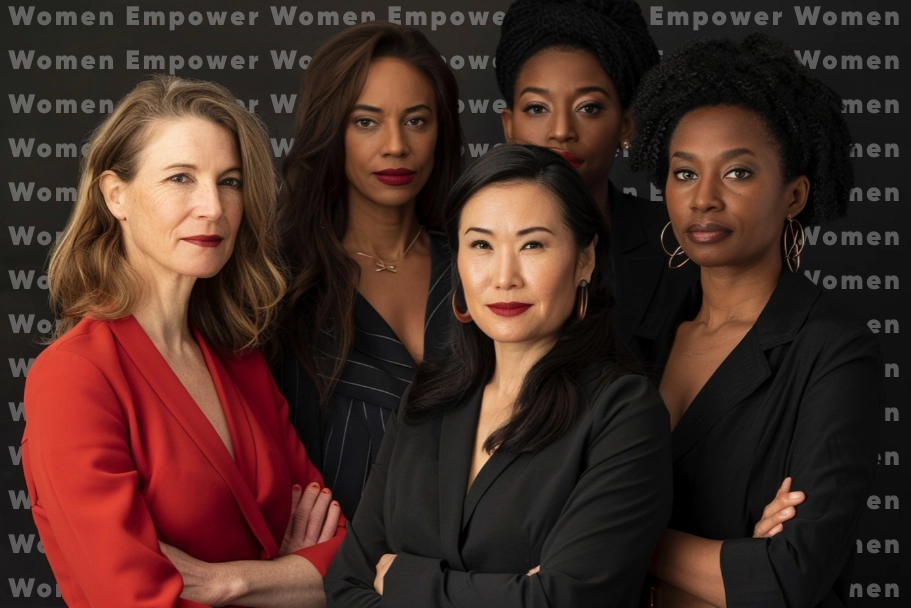

Best Workplaces, Women in the Workplace
Key Takeaways:
- Women in leadership is a succession issue: women hold 26.6% of officer roles in Canadian corporations, so a thin pipeline weakens the bench for everyone.
- Women in the workplace still carry more care at home, with 52% of women in Canada providing care compared with 42% of men, which makes flexibility a retention strategy.
- Leadership pipeline strength depends on visibility, because women who see others in the most senior roles can picture that path for themselves.
- Employee resource groups give women a network for career goals, events, and connections that help them map their next move.
- Mentorship program design works best alongside skills bootcamps and leadership development tracks that give women a clear route to the next role.
- Gender diversity holds at senior levels when employers listen, act on what they hear, and adapt support as needs change over a career.
Organisations that are not actively developing women for senior roles are carrying a risk that rarely shows up in a workforce plan. It tends to surface later, in the succession chart.
Canadian women are working in close to record numbers. About 85% of women aged 25 to 54 are now in the labour force, according to Statistics Canada's Labour Force Survey, a level that has held near its historic high since 2022.
The top of the organisation tells a different story. In 2023, women held 26.6% of officer positions in Canadian corporations and just 21.7% of top officer roles, Statistics Canada reports. The picture is similar south of the border, where McKinsey’s 2025 Women in the Workplace report puts women at 29% of C-suite roles.
Put those two trends side by side and a future leadership gap comes into focus. When the career ladder does not work for women, the bench of experienced, ready-now leaders gets thinner for everyone. Investing in women in leadership is a succession strategy as much as it is a question of fairness.
The organisations on our Best Workplaces™ for Women list show what the alternative looks like. Their common thread is an environment where people are not forced to choose between a career and a life outside work. For women in the workplace, that means steady investment in flexibility, development, meaningful connection, and benefits that reflect the realities of their lives.
Where Women Stay, Culture Leads
Women in the Workplace 2026

Our Women in the Workplace 2026 insights combine the Best Workplaces™ for Women and Best Workplaces™ Led by Women lists, representing more than 240,000 Canadian employees across 150 organisations.
Flexibility Still Matters for Women in the Workplace
Some employers are scaling back flexibility, mentorship, and community-building. Top Canadian workplaces are holding steady. They keep remote and hybrid arrangements in place for roles that do not need to be on site, and they treat that flexibility as part of how they keep strong performers.
The reason is practical: responsibilities do not stop at the end of the workday, and in Canada they still fall unevenly. More than half of women in Canada are caregivers (52%, compared with 42% of men). Women who look after care-dependent adults spend a median of 10 hours a week doing so, against 6 hours for men, according to Statistics Canada. Mothers also carry a heavier share of parenting, averaging 7.5 hours a day caring for their children compared with 4.9 hours for fathers.
Supporting women well means looking past the job description. Women are leaders, mentors, individuals, and caregivers, often all at once. When people feel supported as whole people rather than as job titles, they are far more likely to thrive at work and at home.
Building a Leadership Pipeline Women Can See Themselves In

Representation at the top sends a signal no policy can. When women hold the most senior roles, including chief executive and board chair, others in the organisation can picture that path for themselves. Visible women in leadership make ambition feel realistic rather than theoretical.
Representation works best alongside deliberate structures that help women build skills, networks, and confidence. Top workplaces tend to combine several:
- Employee resource groups: A women’s network can help members pursue professional and personal goals, host events throughout the year, and connect people with colleagues who can help them map a career path.
- Learning circles: Small-group learning and networking series build skills and business insight. The most valuable learning often comes from conversations with colleagues whose backgrounds and experience differ from your own.
- Structured development: Skills bootcamps for roles such as analyst or developer, a formal mentorship program, and leadership development tracks give women a clear route to the next role.
Together, these efforts strengthen gender diversity at every level rather than only at the entry point, and that is what keeps a leadership pipeline full over time.
Listen, Then Act: Sustaining Women in Leadership Over Time
It is a mistake to assume women share a single set of needs. Support looks different from one person to the next, and it changes over the course of a career and a life. That is why listening, and acting on what you hear, belongs at the centre of the culture.
Leading organisations gather feedback from all employees, women included, through company-wide listening efforts and regular surveys. Trust grows when people see their input lead to real change, so those insights need to shape the benefits, initiatives, and everyday experiences employees actually receive.
Women’s health is one area where responsive action makes a visible difference. Some employers have brought preventive screenings closer to the workplace or added menopause support to their benefits. The need is clear: in a national survey for the Menopause and Work in Canada report, 87% of working women said their employer does not provide menopause support or that they did not know whether it does, and about a third said symptoms had affected their performance at work, the Menopause Foundation of Canada found.
Acting on feedback is the part that matters most. Listening opens the door to trust, but action is what convinces people they matter.
That trust can be measured. Our Trust Index™ Survey captures how employees experience care, fairness, and their intent to stay, and the Best Workplaces™ for Women in Canada are selected based on the average Trust Index score from the women who work there.
Culture That Is Built on Purpose

Leaders who have spent decades at high-trust organisations often describe the same thing: colleagues who challenged them, encouraged them, and helped them grow. That kind of experience is rarely an accident.
It usually rests on a simple principle that applies to men and women alike: treat people the way they want to be treated. Culture of this kind is intentional. It is built by people who care about one another and invest in each other’s success, and it produces organisations that perform well both as businesses and as workplaces.
If you want to strengthen women in leadership at your organisation, start with the evidence. An employee survey shows where trust is strong and where your leadership pipeline may be leaking, and the Great Place To Work Effect explains how that trust translates into retention, innovation, and business results.
Think your organisation belongs among the top Canadian workplaces for women? Start here.
This article is an adaptation of the original Great Place To Work®, written by Ted Kitterman, Content Manager.
Best Workplaces™ for Women

These organisations build cultures where women feel valued, supported and ready to lead. To qualify, they need at least 90% agreement that “people are treated fairly regardless of their gender,” with a minimum of 50 women completing the Trust Index™ Survey.
Feedback
Your feedback matters to us! We are always looking for ways to make our content more useful for Canadian leaders. Have feedback? Fill out this form by clicking here.
Ready to earn Great Place To Work Certification™?
Start your journey today and showcase your culture to the world.
People Also Asked
What are the biggest barriers for women in leadership?
Common barriers include an unequal share of caregiving, few visible role models at the top, limited access to mentors and sponsors, and development opportunities that taper off mid-career. Addressing them together has more impact than tackling any one alone.
What is the difference between mentorship and sponsorship?
A mentor offers advice, perspective, and guidance. A sponsor uses their own influence to advocate for someone, recommending them for stretch assignments and promotions. Women benefit from both, and sponsorship is often what accelerates advancement.
How can managers support women returning from parental leave?
A planned return, flexible scheduling during the transition, regular check-ins, and keeping development and promotion conversations going all help. Staying connected to meaningful work keeps a leave from turning into a career pause.
How can employers make the workplace more supportive during menopause?
Make the topic easy to raise, prepare managers to respond well, review whether benefits cover menopause care, and offer practical flexibility such as adjusted schedules or changes to the work environment.
How is the Best Workplaces™ for Women list in Canada selected?
Great Place To Work selects organisations based on the average Trust Index™ score from women employees at eligible Great Place To Work Certified™ organisations, so the list reflects what women themselves report.
What is Great Place To Work Certification™?
Certification is recognition earned on the strength of what your own employees report through the Trust Index Survey. It validates your culture and is the first step toward Best Workplaces™ lists, including those focused on women.
Frequently Asked Questions:
Why does investing in women in leadership matter for Canadian employers?
Women are working in near-record numbers in Canada, yet they hold about a quarter of corporate officer roles. Developing women for senior positions keeps the bench of experienced leaders full and protects succession plans.
How does flexibility support women’s careers?
Women in Canada still carry more caregiving for children and for adults who need support. Remote and hybrid options for roles that do not require on-site presence help women stay in the workforce and keep advancing.
What do employee resource groups offer women?
A women’s network helps members pursue professional and personal goals, hosts events, and connects people with colleagues who can help them plan a career path.
Which development opportunities help build a leadership pipeline for women?
A mix works best: learning circles for skills and networking, skills bootcamps, a formal mentorship program, and leadership development tracks, reinforced by visible role models in senior roles.
How can employers find out what women need?
Ask, and keep asking. Needs differ from person to person and shift over a career, so company-wide listening and regular surveys, followed by visible action, are the most reliable guide.
How does acting on feedback build trust?
Listening opens the door, but action shows people they matter. When feedback leads to visible changes in benefits, initiatives, and daily experience, trust grows and people are more likely to stay.